




Traditional and artisanal method:
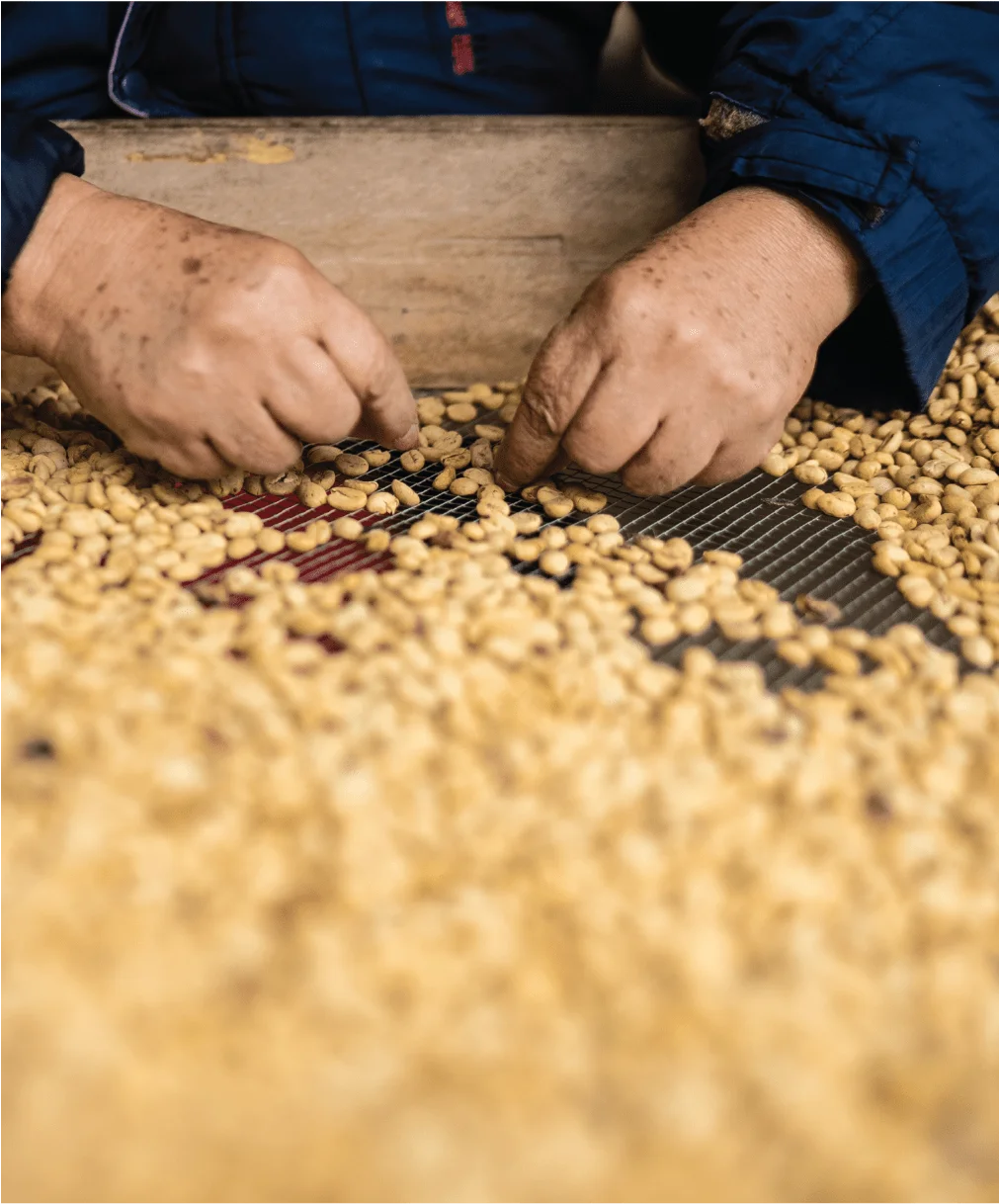
It is the oldest drying process, where although machinery is used in some stages, most of the work depends on the coffee grower.

Dried with shell:
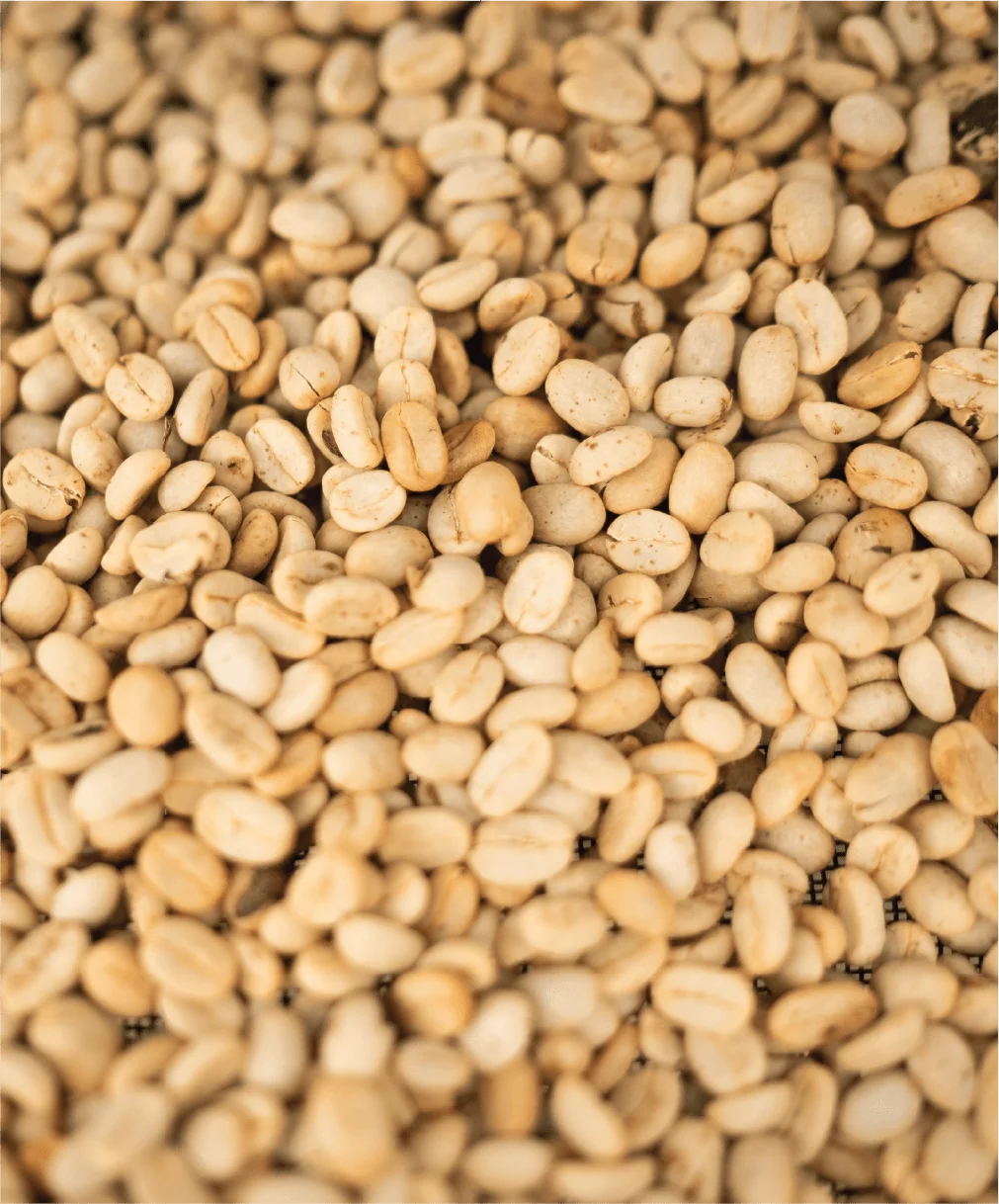
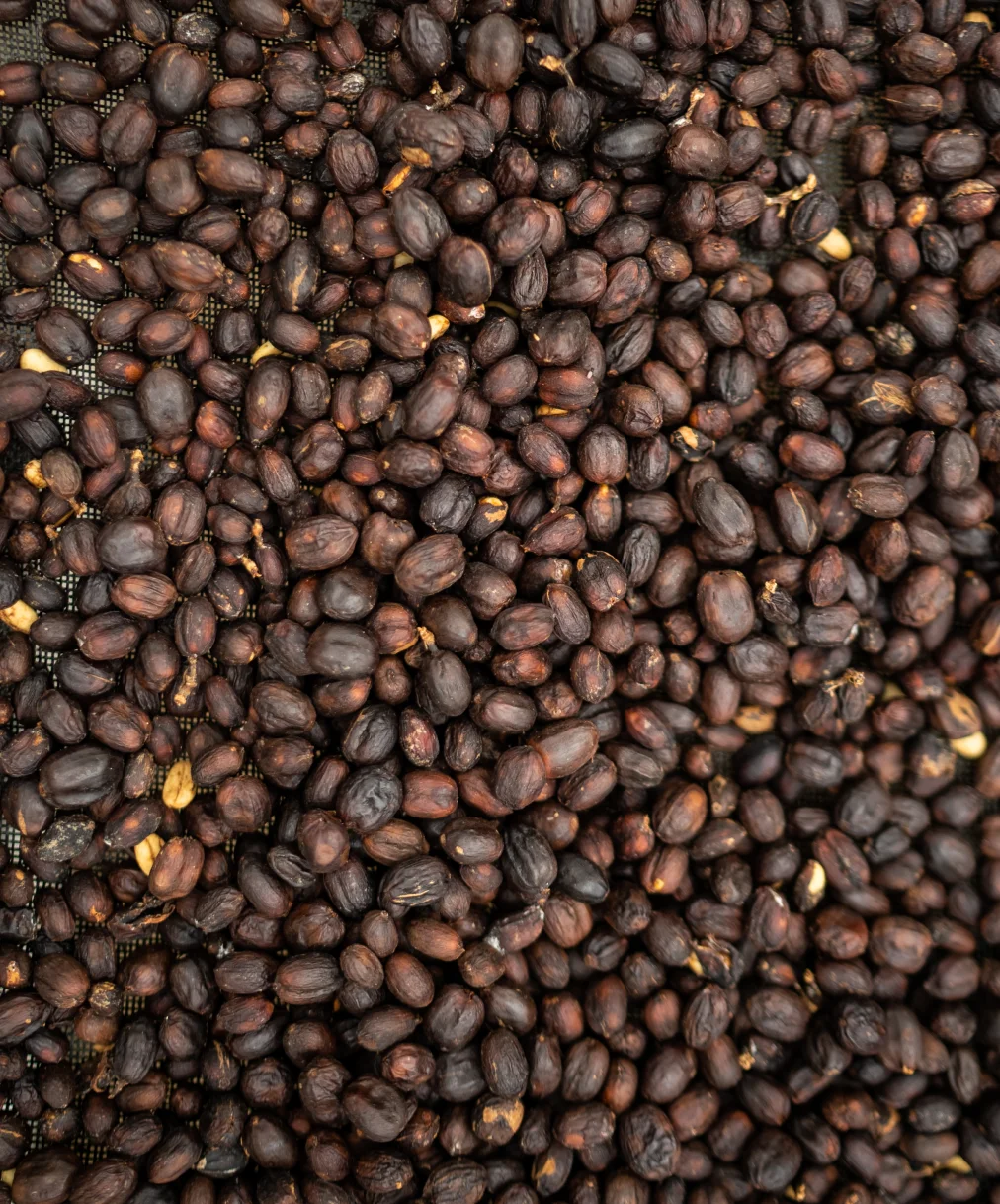
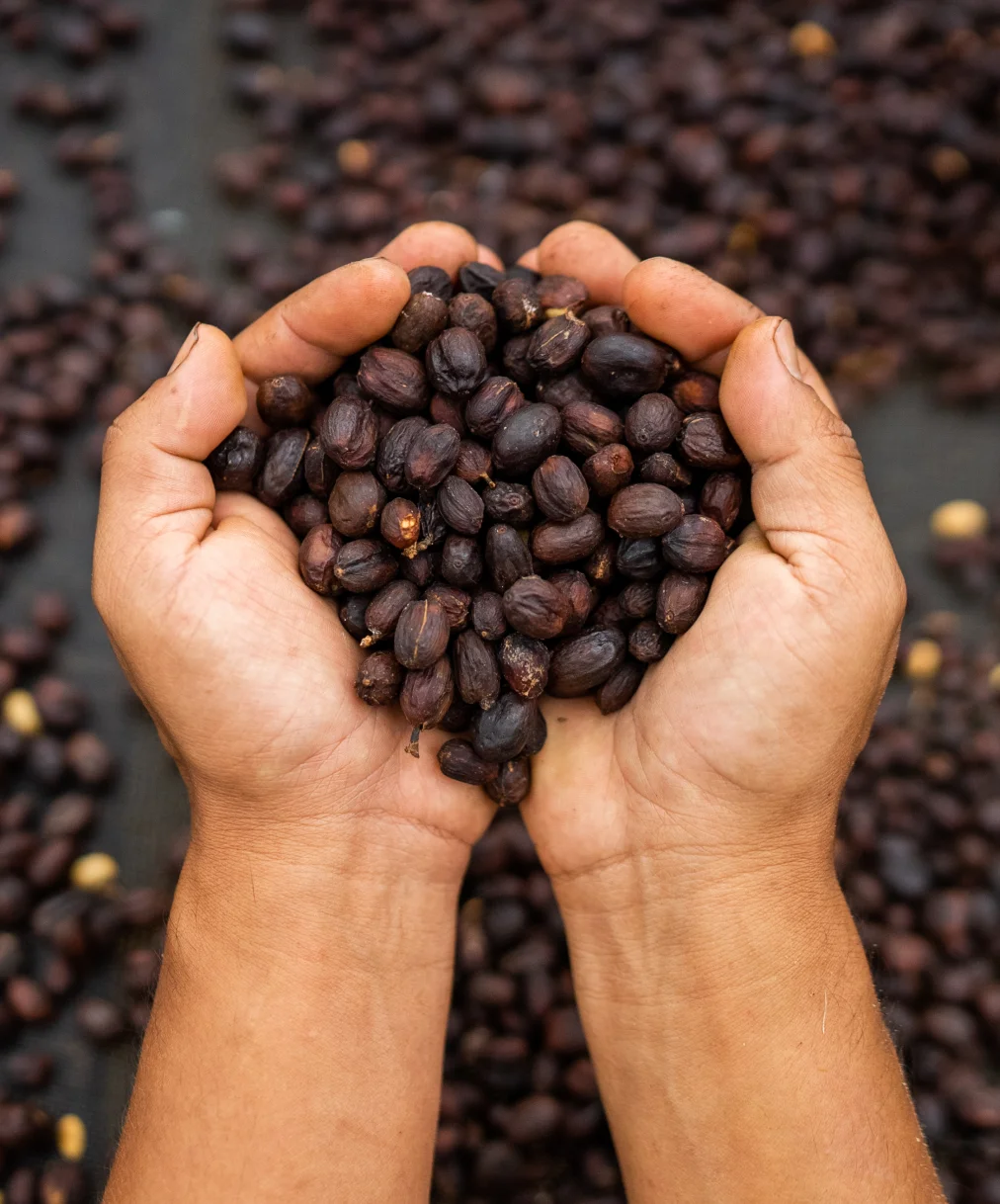
The cherry is left whole, preserving its shell and the seed inside, taking advantage of sunlight and natural environmental conditions for drying.

Unique flavor profile:
This method highlights intense, fruity flavors, with wine notes and a robust body, characteristics highly appreciated in high-quality coffees.
Traditional and artisanal method:
It is the oldest drying process, where although machinery is used in some stages, most of the work depends on the coffee grower.
Dried with shell:
The cherry is left whole, preserving its shell and the seed inside, taking advantage of sunlight and natural environmental conditions for drying.
Unique flavor profile:
This method highlights intense, fruity flavors, with wine notes and a robust body, characteristics highly appreciated in high-quality coffees.


Selection and pulping:
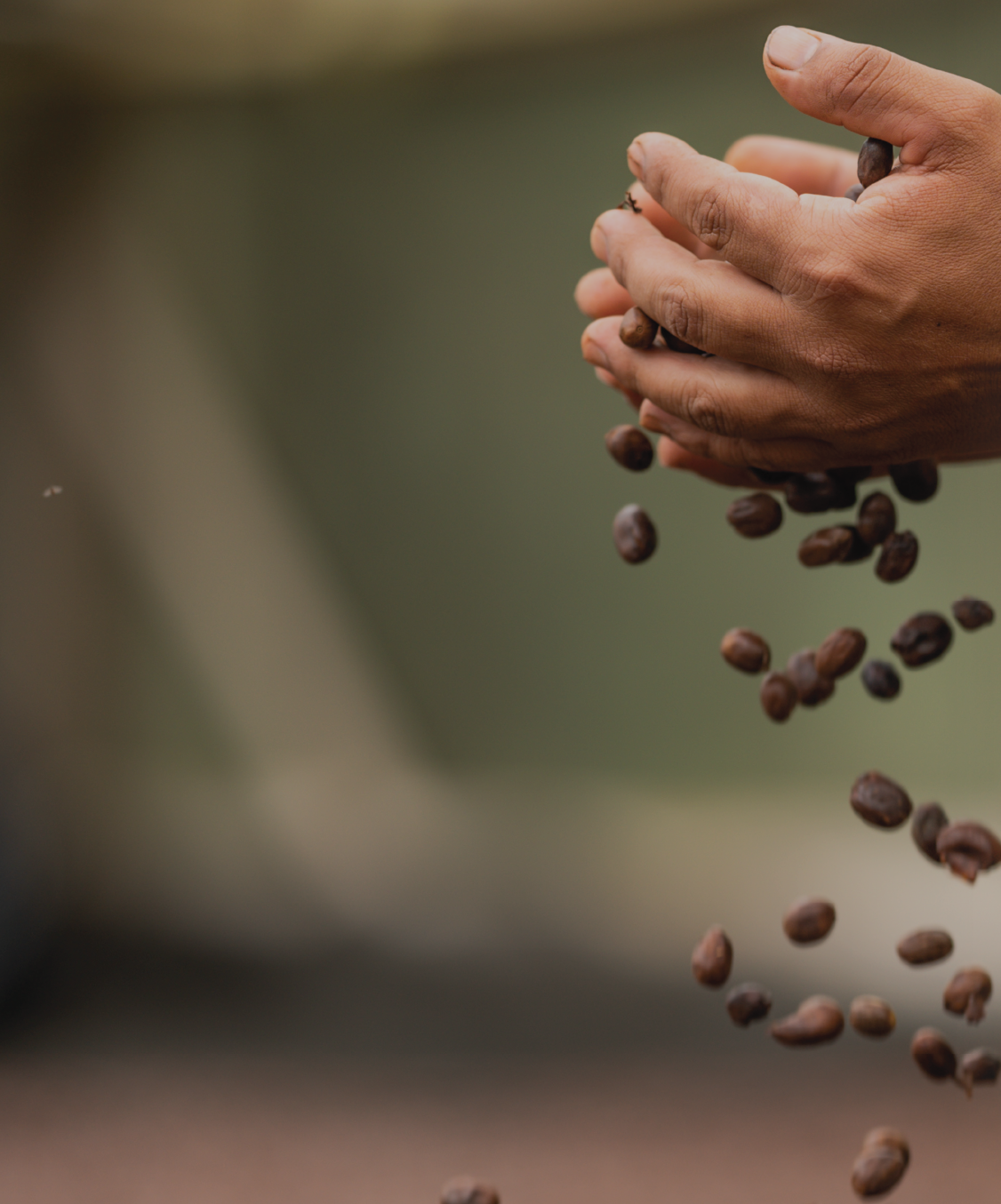
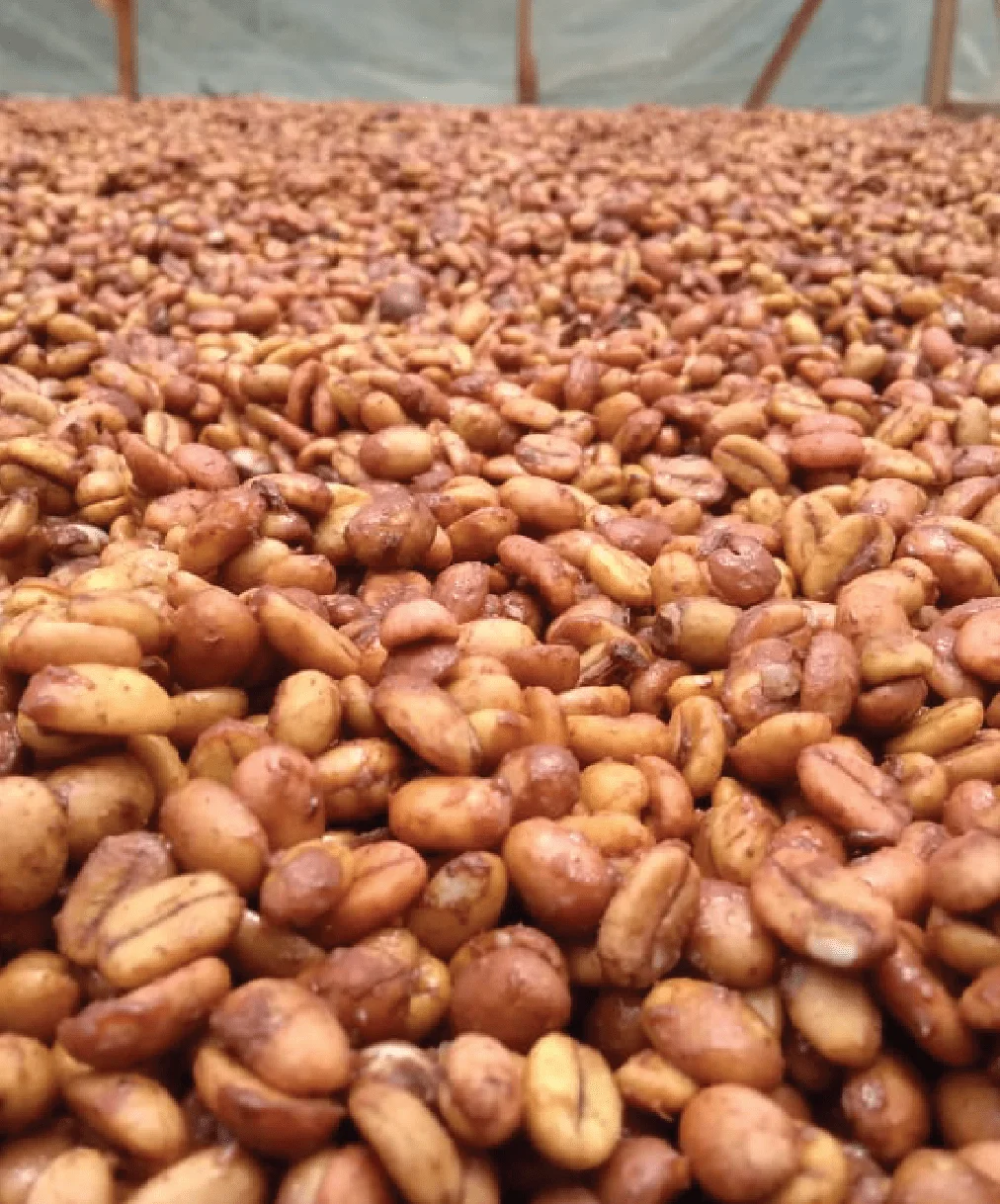
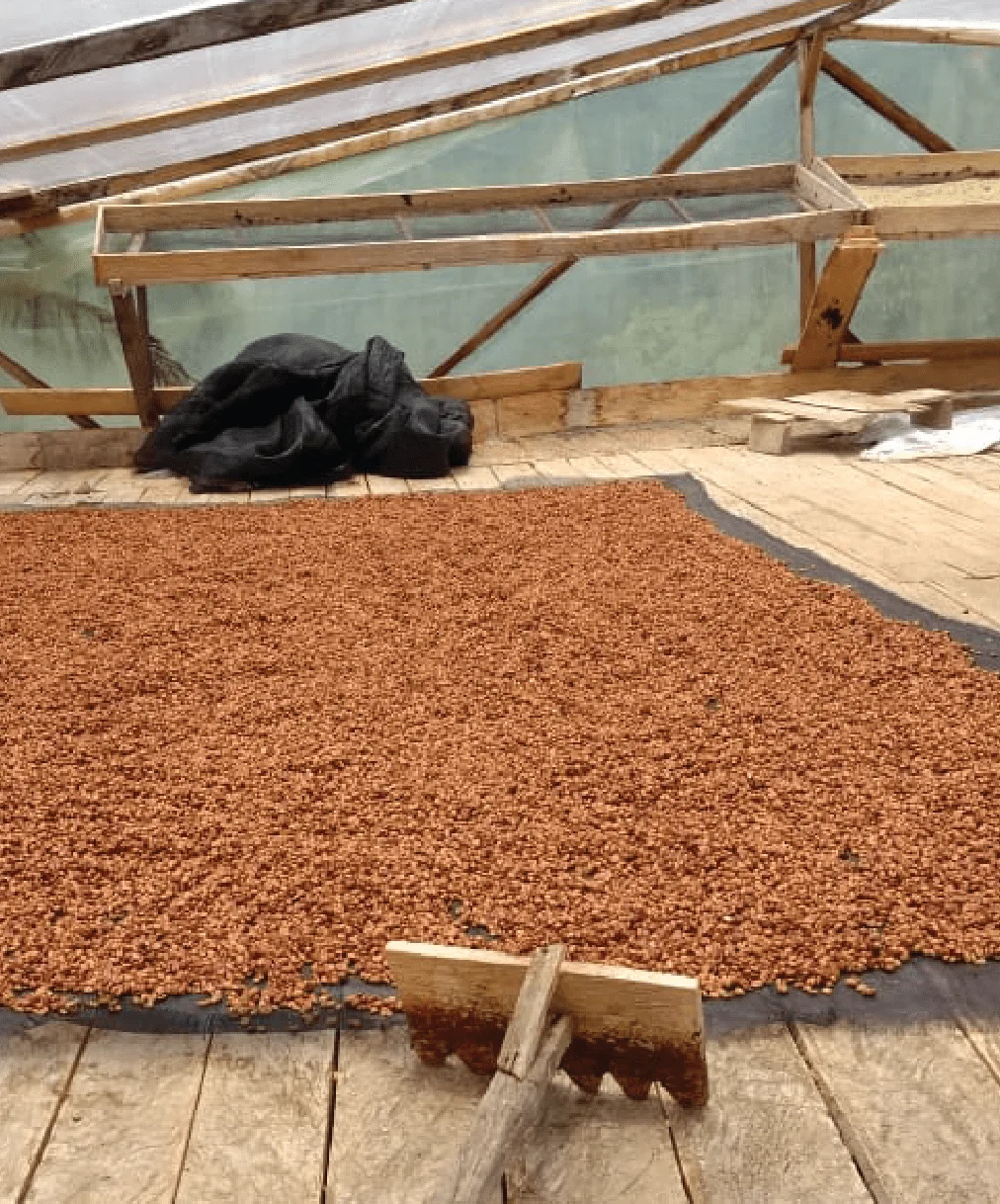
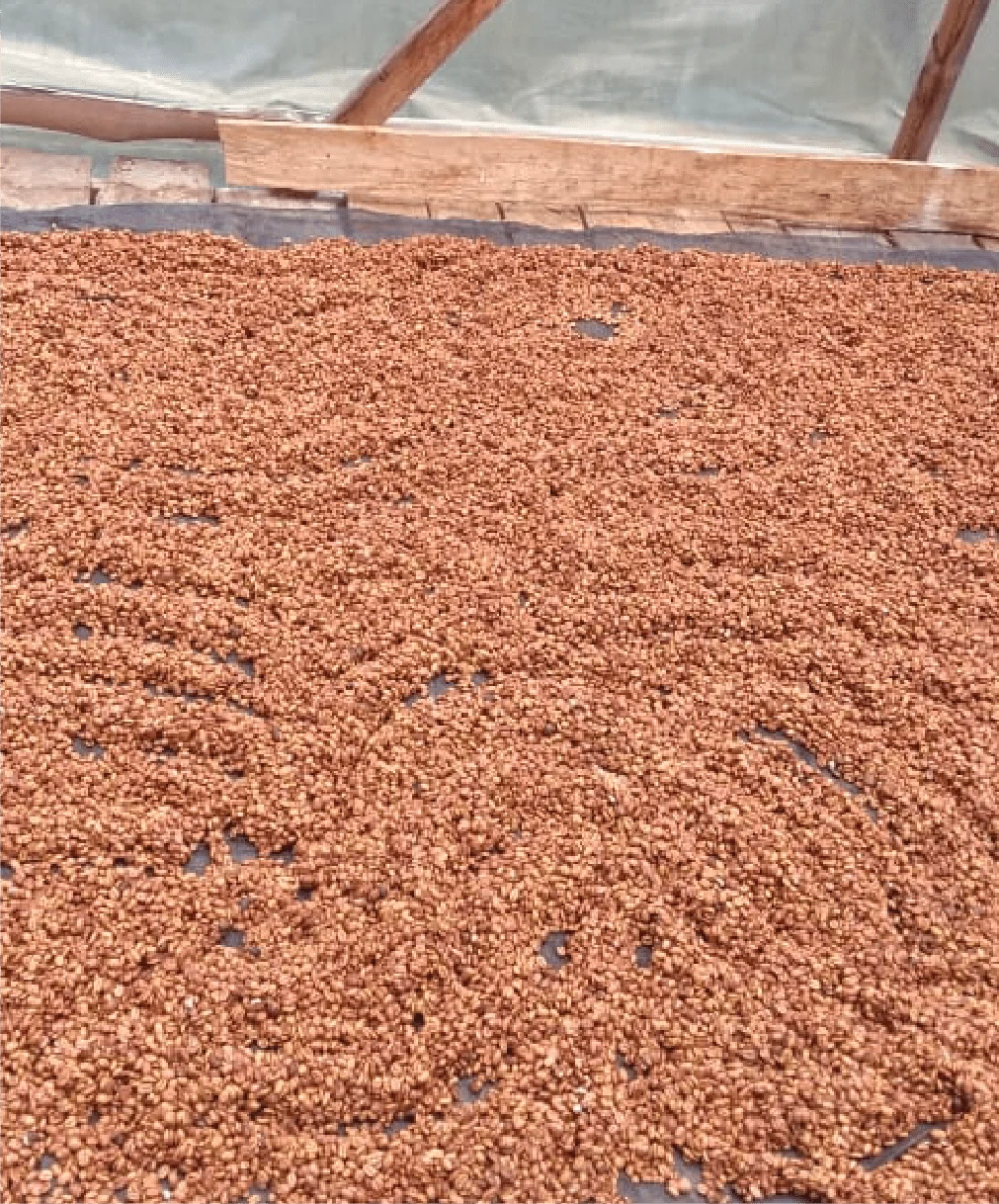
The ripe cherries are carefully harvested and the husk is removed, leaving the grain coated with mucilage.
Mucilage drying:
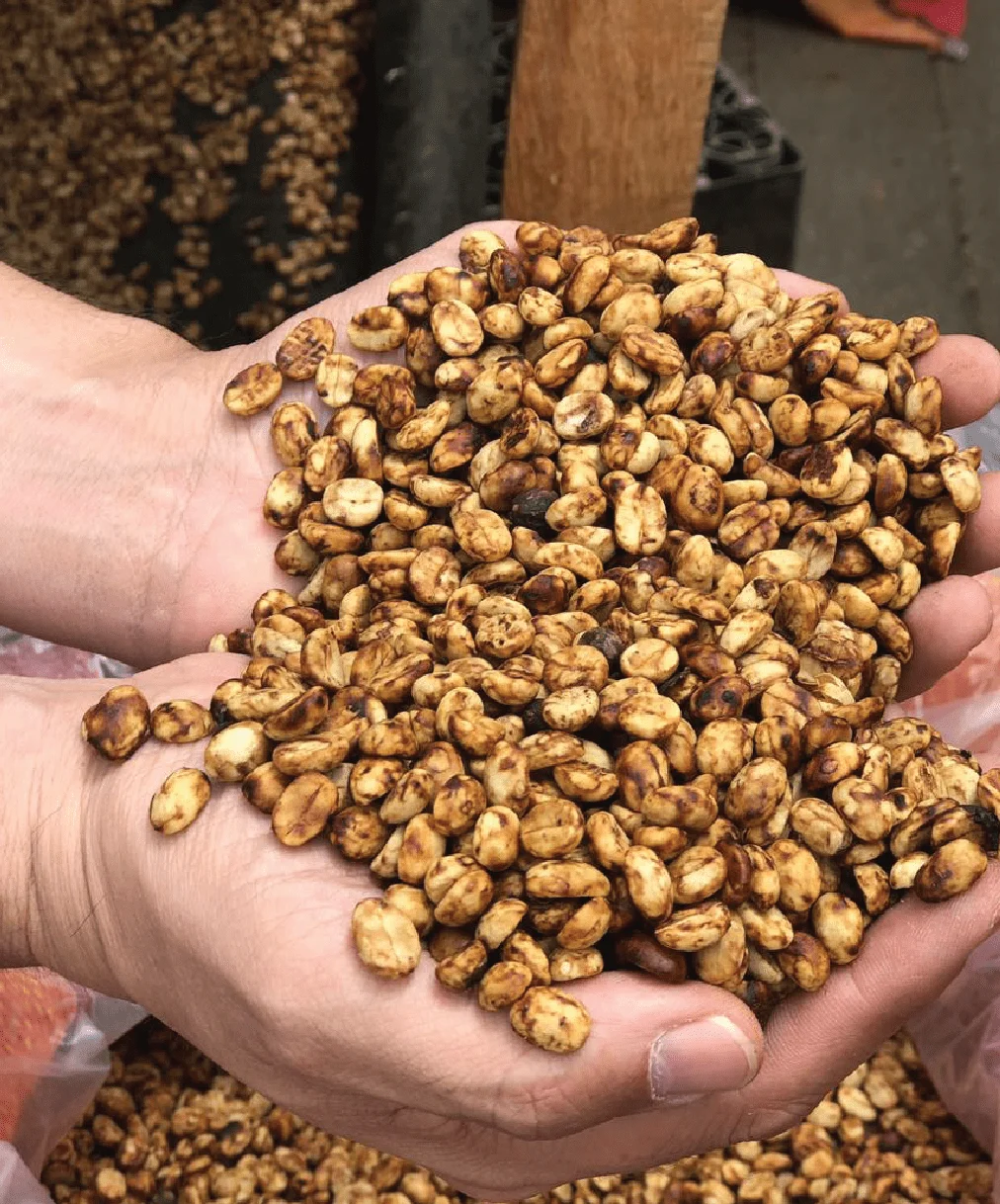
During the drying process, the mucilage—a sticky, sugar-rich layer—provides essential nutrients, enhancing the flavor profile.
Flavor and complexity:
This method, known as the Honey process, brings out the natural sweetness of coffee and enhances its aromatic complexity, with fruity notes and exceptional balance.
Coffee pulping:
The outer layers of the fruit are removed to expose the internal membranes and mucilage that covers the seed (coffee bean).
Controlled fermentation:
Through the action of water and specialized containers, fermentation begins, a key step in breaking down and eliminating mucilage.
Preparation for the next process:
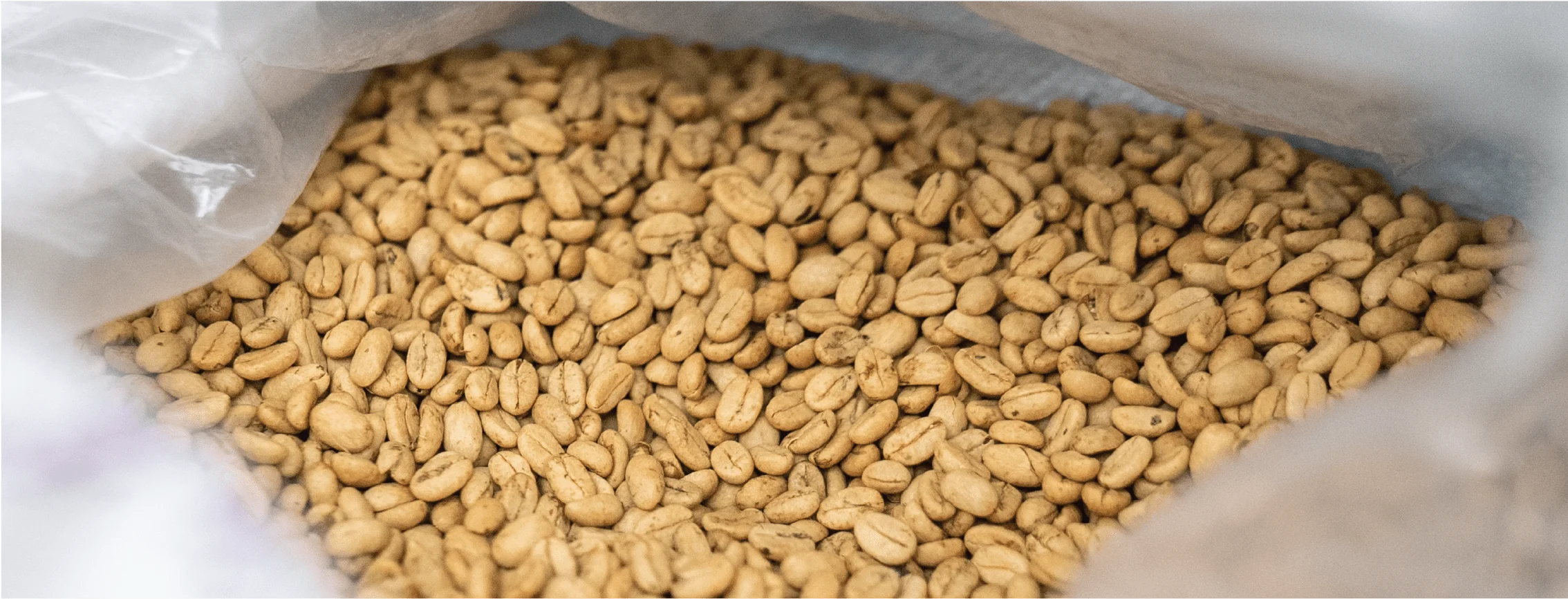
At the end of fermentation, the pulp is completely separated from the beans, leaving them ready for the next stages of processing.
Coffee pulping:
The outer layers of the fruit are removed to expose the internal membranes and mucilage that covers the seed (coffee bean).
Controlled fermentation:
Through the action of water and specialized containers, fermentation begins, a key step in breaking down and eliminating mucilage.
Preparation for the next process:
At the end of fermentation, the pulp is completely separated from the beans, leaving them ready for the next stages of processing.